In this second-in-the-series post, I’ll share additional tips on how to eat more veggies. If you’re challenged in the veggie eating department, give these tricks a try:
- Make them taste more palatable. Preferences for different vegetables varies from person to person. I was never a picky eater as a child. My mother never had to force me to finish my broccoli or salad. Some kids, however are very picky, and this can carry with them into adulthood. For these types of choosy eaters it is recommended to prepare your veggies with delicious flavor agents in hopes of increasing the likelihood that one will eat more of them — and continue to come back for more, which is the goal.
–
So, how does one do this?
–
Fat! Yes, I said fat. The dreaded macronutrient that we’ve shunned for years due to the fact that fat makes us fat, right? Not quite…more to come on fat in a future post, but if you know me at all, you know I’m sort of a fan of fat, the macronutrient, which not only can be a nourishing food but also a wonderful way to dress up your vegetables.
–
Veggies can taste a ton times better with butter melted over them. No surprise there, right? Close your eyes and imagine broccoli or asparagus with drizzled butter, or spinach with butter and sautéed garlic. Olive oil is another healthy fat and more suitable for the vegans out there. Or if you’re feeling adventurous, how about bacon fat? Yes, bacon in moderate quantities derived from clean pigs, can be part of a wholesome, nutritious meal from time to time. Pan-fry some bacon, leave the fat remaining in the pan, and sauté some garlic and toss in some kale and there you have a scrumptious warm salad fulfilling another veggie serving for you. If you’d like to read more about animal fats such as lard and tallow, check out this post I wrote recently for Martha Stewart: http://www.marthastewart.com/1148611/old-school-ingredients-are-cool-again-actually-really-good-you
–
Dairy, if you can tolerate it, eaten in moderate amounts can also be a way to enhance the flavor of vegetables and render them more approachable for the shy and leery. Cheese melted onto vegetable lasagna for instance…I don’t think I need to paint that picture for you. Just be careful — the issue with dairy is that it can be hard to moderate. Portion control is key and keep in mind 1 serving of cheese is 1 1/2 oz. Most people I know would easily eat more than that in one sitting.
2. Plan ahead and have them prepped and ready to eat. The concept seems simple, but are you actually taking the time to do it? Carrots, celery, bell pepper, jicama, and zucchini can all be chopped into portion sizes that are ready to be dipped into hummus, pesto, or your favorite dip. Portable, snackable, bite-sized and there you have it — count that towards another serving of veggies for the day.
Another way to have veggies prepped and ready to consume is to cook extra when you’re already making a meal. I like steaming my veggies. It is fairly effortless, requires less clean up than other methods of cooking, and is quite nutritious. Steam up a batch of cauliflower, broccoli, and sweet potato, make extra and have leftovers for a few days. With having leftovers on hand, there should be no excuses that you are lazy to chop up veggies to make a salad. Toss them into a salad or reheat and add a protein for a more complete meal.
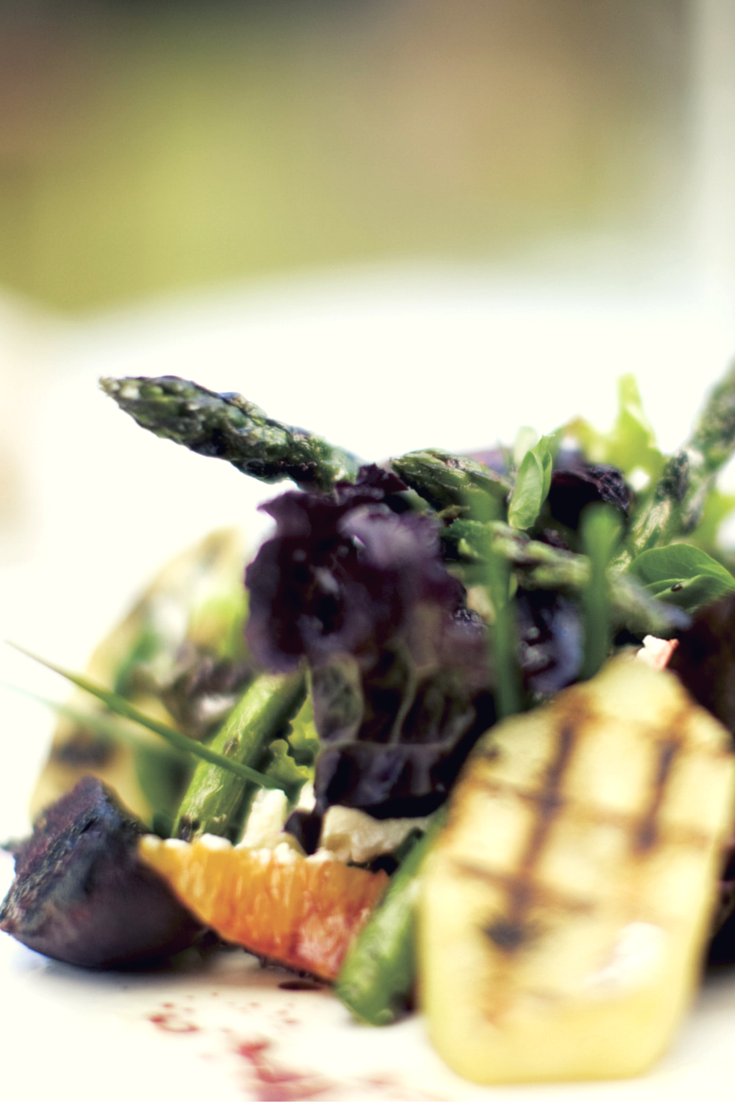
3. Eat more soups and salads. These are just calling out for you to add veggies to them. At least that’s how I operate when preparing a pot of soup or a bowl a salad. I am known for overcomplicating a dish from time to time, but I get overzealous when it comes to veggies and prefer my soups and salads to pack of punch of nutritional variety…and color.
Here are some tips for making a nutritionally balanced and tasty salad:
- Switch up your use of greens from time to time to ensure you don’t get bored
- Aim for a variety of colors: red, orange, yellow (red bell pepper, sweet potato, squash, etc)
- Add a fat. Did you know that fat helps with the absorption of certain nutrients? An avocado, nuts/seeds, small amount of your favorite cheese, and dressing would all help here
- Make a tasty salad dressing…I also make my own and skip the store bought stuff
- Add protein if this is going to be your main dish. Otherwise keep it sans protein for a side salad
Soup making tips:
- Cooking vegetables for a longer period of time can change the flavor, so keep this in mind…you may prefer the taste of onions in French onion soup but despise them raw in a salad
- Try puréeing a soup. Pre-digesting some of the plant cellulose and fibers may not only alter the taste of the vegetables and soup, but will most likely make it easier for you to digest (this is more important for those with hindered digestion)
- Add some fresh aromatics to your bowl of soup right before serving — parsley, cilantro, basil, chives — these would all count towards getting you even closer to your serving of veggies
Well, there you go! Hopefully you found some of these tips useful. If so, would you please do me a favor and share with someone? Much appreciated!

Mike is a holistic nutritionist that helps people feel more optimistic about their health and wellness through changes in diet and lifestyle shifts.
He has authored posts and articles featured on MarthaStewart.com, today.com, and iVillage.com.