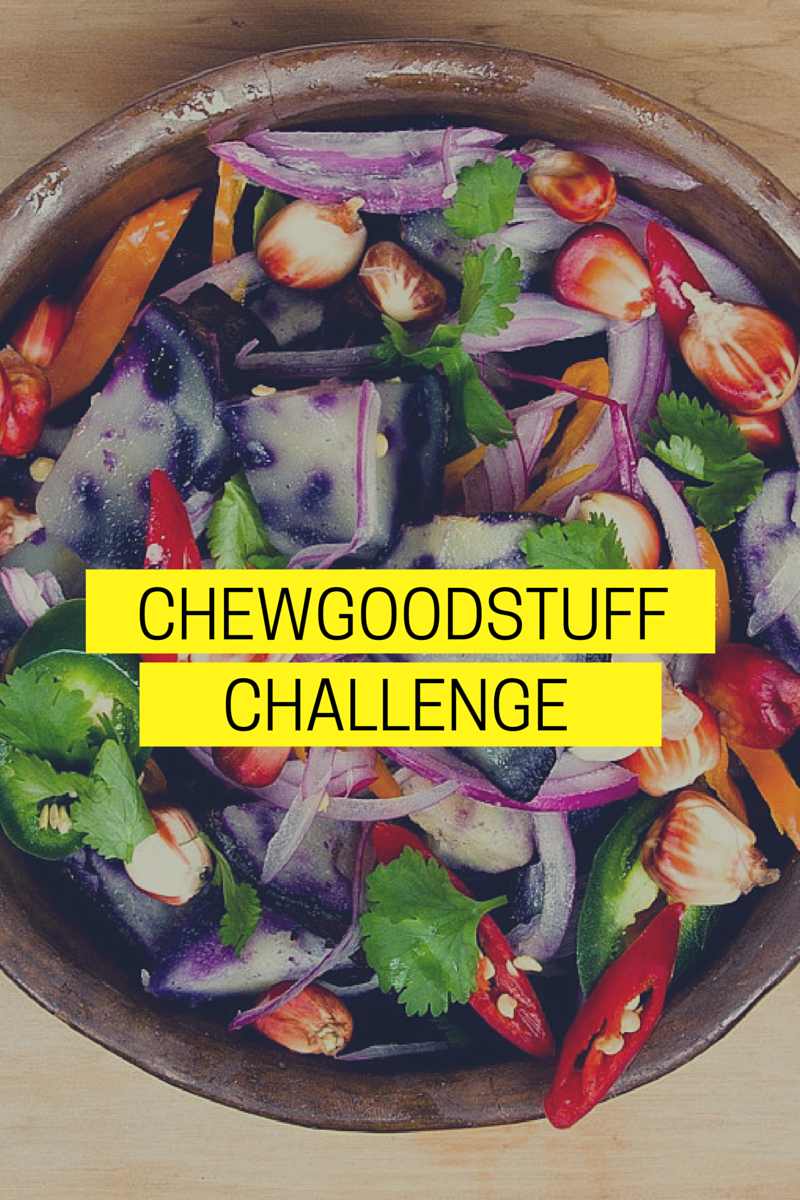
Here’s a challenge for you this week:
Try a new food.
It’s actually quite liberating when you think about it. If you’ve been playing it safe with the same dishes, recipes, and foods you’re really missing out not only on the nutritional aspects from foods, but also by not experiencing a volume of delicious flavors and culinary adventures that only come with being open to sampling a wide array of foods. Notice how I used the word sample. Let go of any expectations going into the taste experience and just allow yourself to sample a food as you would at a dinner party with an appetizer, or at a grocery store when offered a sample at a demo table. A small sample isn’t as intimidating as consuming a whole portion of a food, right?
Start with veggies.
Begin by writing down all the vegetables you would usually consume in a given week. If you normally eat 6 veggies in that given period, I’d recommend adding one new vegetable a week for about a month. That would equate to 4 new vegetables that you’ve introduced into your diet in a 4 week period! That’s a great step forward towards expanding your horizons and potentially increasing the amount of vitamins, minerals, and fiber that you’ll now receive.
The reasoning behind starting with adding vegetables into your diet is because they are probably the most nutritious and obvious place to start if you have a narrow palate. Identify which vegetables you actually do enjoy and then maybe start by buying a vegetable that may taste similar or be in the same family rather than taking a risk on a totally different tasting one that you might not be ready for just yet…baby steps.
Here’s a useful link to a post which categorizes vegetables by their families (scroll down until you get to the different groups of families):
http://vegetablegardenhub.com/vegetable-families
For instance, if you like cabbage give another type of vegetable in the cruciferous family a try such as kohlrabi or bok choi. Or if you always gravitate towards regular white or yellow onions, mix it up and give scallions or shallots a try instead. Or even chives!
Learn more about the very healthy and disease-preventing cruciferous family of veggies here: https://en.wikipedia.org/wiki/Cruciferous_vegetables
And another tip when making buying decisions regarding vegetables is to go for color and for a rainbow approach. Eating different colors of the rainbow (as long as they are naturally-occurring colors) is a great way to ensure that you’re taking advantage of all the nature-provided antioxidants present in those plants.
Try a new recipe.
Don’t know where to start? There is really no excuse nowadays when it comes to finding recipes. There are recipes to suit all tastes and nutritional needs while the internet has made it extremely easy to find inspiring recipes that should have you salivating in no time.
Narrow your search by typing in your favorite food and any descriptors such as: dairy free, gluten free, or sugar free to eliminate the recipes you cannot or do not want to eat.
Example: dairy free broccoli or dairy free celery root or gluten free black bean brownies
Or, if you’re not as adventurous and afraid of risk, ask a friend or family member what their favorite recipe is. Maybe that’s your preferred way of collecting tested and authority-tasted recipes.
Buy a new cooking spice. Culinary spices and fresh herbs can add a whole lot of flavor and zest to a dish. If you’re a simple salt and pepper kind of chef, branch out and take a stab at a new spice when you’re in the spice aisle next at the grocery store. Basil, paprika, turmeric, chili powder, fennel, adobo, oregano…there are so many choices. You never know what you’re missing out on unless you give it a try. I promise that incorporating spices will add so much more flavor and depth to your cooking if you’re willing to experiment a little.
Fresh herbs are even better! Parsley, basil, and cilantro are some of my faves and they are nutritionally packed and add a great hue to your meal. I just made fresh pesto last night and was so mesmerized by the wonderful green color. Nature is pretty awesome!
So, what’s holding you back from moving forward with trying new foods? Fear that you may not like them? Fear that you’ll enjoy the foods too much and won’t stop eating them? Or simply not taking action and buying something new to try?
What do you have to lose? Why go through life torturing yourself with a mundane weekly ritual when you could add new things to your grocery list and spice it up in the kitchen. Once you get over that initial fear of trying something for the first time, it does get easier the second and third times around.
You just have to start somewhere, as with most challenges in life. Begin, get your feet wet, fine tune/adjust and move forward to the next challenge with some more skills/data/observations that’ll help you make even better choices thereafter.
If you enjoyed this post, please share with a friend.
You may also find this older post on being a picky eater useful if you liked this one:
Many thanks! Enjoy your week!

Mike is a holistic nutritionist that helps people feel more optimistic about their health and wellness through changes in diet and lifestyle shifts.
He has authored posts and articles featured on MarthaStewart.com, today.com, and iVillage.com.